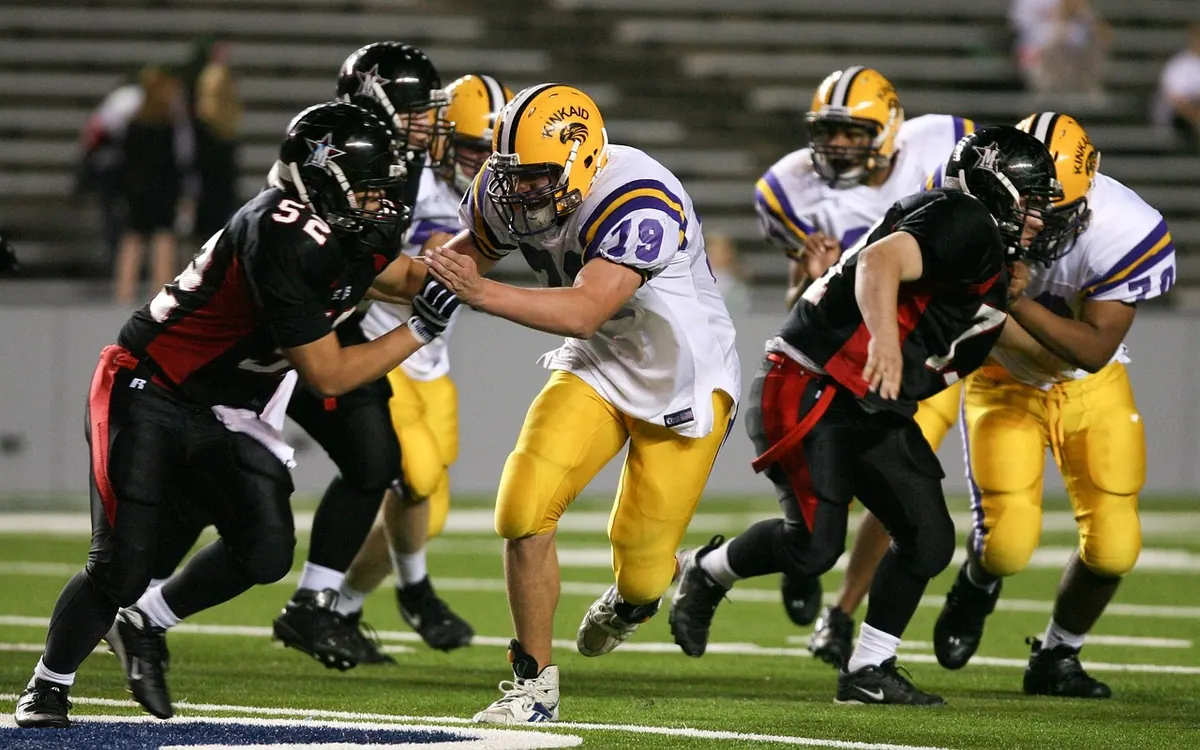
You can hear it from several blocks away: the drums, the announcer's voice bouncing off the bleachers, the low roar when the home team takes the field. If you have just moved to Elmwood and haven't sat in a high school stadium since you were one of the kids in the student section, that noise can feel like an invitation with an asterisk attached. Where do you park? What do tickets cost? Do you need to understand the difference between a hold and a horse-collar tackle? You do not. Here is what to expect on your first Friday night at the Elmwood High field, and how to look like you have been coming for years.
Before You Go: Timing, Parking, and What to Wear
Varsity games usually kick off in the 7 p.m. hour on Friday, and gates tend to open about an hour before. Arriving 30 to 40 minutes early buys you a decent parking spot, a short concession line, and time to find seats without stepping over anyone. If you have younger children or anyone who moves slowly, add another fifteen minutes.
Parking is the first real test. The lot nearest the field house fills quickly, and the overflow spills onto the surrounding streets. Follow the posted signs, keep driveways and fire lanes clear, and expect a short walk. Carpooling with neighbors is the easiest fix, and it makes the post-game exit far less frustrating.
As for clothing, layers matter more than team colors. Evenings cool off fast once the sun drops behind the trees, and you will be sitting still for two hours. Comfortable shoes are a good idea — bleachers and grass are both unforgiving. Wear something in school colors if you own it; a plain shirt is perfectly acceptable. Nobody is taking attendance on your wardrobe.
Tickets and the Gate
Most schools sell tickets two ways: online through the district athletics page ahead of the game, or at the gate on the night. Buying ahead skips the line and helps the school plan staffing, so it is worth the two minutes. Prices are modest by entertainment standards, and districts typically offer reduced rates for students and seniors, with young children often admitted free. Because prices and policies are set each season, check the athletics page or call the school office for current numbers rather than relying on what a neighbor remembers from last year.
If you have more than one child involved in sports or activities, ask about a family or activity pass. Over a full season of football, volleyball, and basketball, those passes often pay for themselves. And it helps to know where the money goes: gate and concession revenue generally supports uniforms, equipment, buses, and athletic training supplies, not an anonymous fund.
Where to Sit — and Where Not To
The home bleachers sit behind the home bench, and the visitor side is across the field. Sit on the home side unless you are cheering for the other team, which is fine but will be a lonely evening.
- The student section is the loudest real estate in the stadium. Sit near it if you want energy and chants; sit a few sections away if you would rather hear the person next to you.
- Between the 20-yard lines gives the best view, and those rows fill first. Anywhere in the middle third is perfectly good.
- Near the band is a favorite for families with small kids, who tend to be fascinated by the drums.
- Bring a cushion or stadium seat. Aluminum bleachers get cold and hard by the fourth quarter. A folded blanket doubles as a cushion and a windbreak.
- Ask about accessible seating at the gate if anyone in your group needs a ramp, a companion seat, or a shorter walk. Staff will point you to the right entrance.
The Traditions You're Expected to Know
Game night follows a rhythm, and once you recognize it, you will feel like a regular by halftime.
Before kickoff
The marching band takes the field, the teams run out, and the national anthem plays. Stand, remove hats, and put the phone away. On homecoming and senior nights — usually earlier in the season — a ceremony honoring players, band members, and cheerleaders happens before the coin toss, which is why arriving on time matters on those specific Fridays.
During the game
The fight song follows a touchdown and a successful extra point, and the student section leads chants you will pick up by ear within a quarter. Halftime brings the band show, a youth football scrimmage, or a performance by the dance team, depending on the week. Concessions and the 50/50 raffle — where half the pot goes to a ticket holder and half to the boosters — both run through the third quarter.
A few unwritten rules
Do not walk in front of the band while it is performing. Keep complaints about officiating civil; many of the officials live in town, and some are parents of players. Stay off the field and the sideline track unless you are invited, and give the chain crew and photographers room to work. After the final whistle, players shake hands at midfield, and fans often line the fence to greet them. It is a small thing that says a lot about a town.
Concessions, Cash, and the Booster Club
The concession stand is usually run by the booster club, staffed by parent volunteers working in shifts. Expect the standard lineup: burgers, hot dogs, nachos, candy, coffee, and soda. The line is longest right at halftime, so go early in the second quarter if you want to eat without missing the third. Some stands take cards now and some are cash only, so carry a little of both. If you have the time and inclination to volunteer for a shift next season, that is the fastest way to meet people in a new town.
Bringing Kids, and Leaving a Few Things at Home
Football games are genuinely family-friendly, but a few preparations help. Bring ear protection for babies and toddlers, since the band and the crowd are loud. Agree on a meeting spot before you split up, and point out the gate or a specific bleacher section to older kids who want to roam with friends. A small flashlight helps on the walk back to the car.
Leave at home the things that will be confiscated or cause a problem: pets other than service animals, alcohol, tobacco and vaping products, coolers, air horns, and drones. Bag policies vary by school and event, so check before you go if you plan to bring a large tote.
Your First-Game Checklist
Keep it simple. Buy tickets online the day before. Arrive 30 to 40 minutes early. Bring a cushion, a layer, and a little cash. Pick a meeting spot for your group. Learn the fight song by the second quarter, and stay through it after the final whistle. Then find your neighbors in the bleachers, introduce yourself, and ask who they think will win next week. That is how Friday nights in Elmwood start to feel like yours.
Photo: KeithJJ / Pixabay