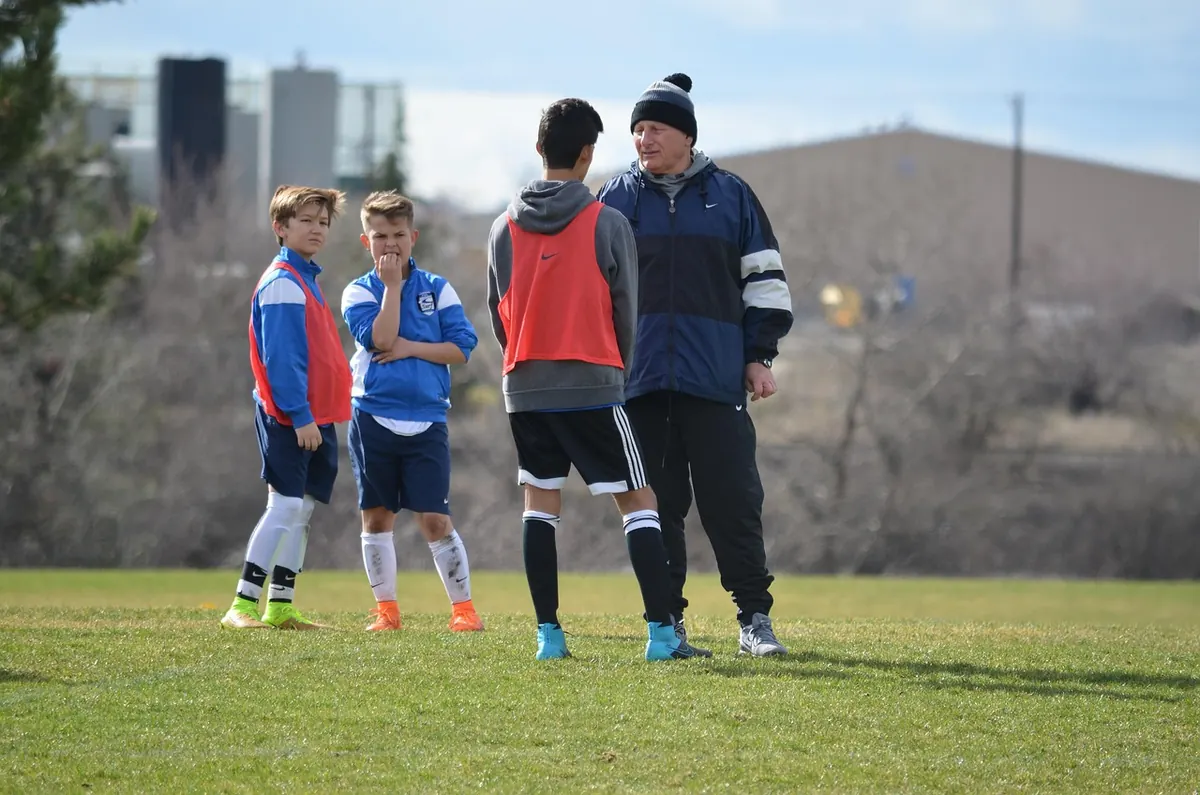
The registration email usually lands in the middle of a Tuesday, and suddenly the season feels close. Somewhere in a closet, last year's cleats are waiting. Somewhere in a group chat, three parents are asking the same question at the same time: did signups open yet?
Elmwood's youth soccer season runs on volunteers, minivans and a surprising amount of paperwork. The families who have the smoothest first week are rarely the ones who did the most. They just did a few things early.
Here's what to confirm before you register, what to buy and what to skip, and where the league genuinely needs help this year.
Confirm the Registration Window First
Registration for youth soccer rarely opens and closes on one tidy date. Age groups fill at different speeds. Travel teams often hold evaluations before the recreational divisions open, and a form turned in a week late can mean a waitlist instead of a roster spot.
Before you plan anything, confirm three details: when registration opens for your child's age group, when it closes, and whether the league needs anything beyond the form. A copy of a birth certificate is common. Older divisions sometimes require a medical release signed by a doctor.
If the dates are unclear, email or call the registrar. Neighborhood group chats are excellent for carpools and unreliable for deadlines.
What to Have Ready Before You Fill Out the Form
Registration takes ten minutes when everything is in front of you and an hour when it isn't. Gather these first:
- A photo or scan of your child's birth certificate, if proof of age is required
- Your child's date of birth and current grade — most age groups are set by birth year, not grade
- An email address you actually check, plus a cell number for weather cancellations
- Medical details: allergies, asthma, medications, emergency contacts, pediatrician's name
- Your family calendar, so you can flag weeks you'll be away
- A payment method, and a plan if the fee is a stretch this month
That last point deserves a plain sentence. Many leagues offer payment plans, sibling discounts or sponsored spots for families who need them, and asking is not a mark against your family. It's a routine question the registrar answers every season. Ask early, ask privately, and get the answer confirmed in writing.
Equipment: The Short List and the Traps
New soccer parents tend to overspend in the first season and underspend in the third. Start here:
- Shin guards that cover from just above the ankle to just below the knee, worn under the socks
- Cleats, or sturdy athletic shoes for the youngest divisions — check whether your league even requires cleats
- A ball in the size the league specifies for your child's age group
- A labeled water bottle, big enough for a hot afternoon
- A bag your child can carry without help
Fitting notes that save a second trip to the store
Cleats should leave roughly a thumb's width of room at the toe and shouldn't slide at the heel. Buy socks a size up rather than cleats a size up: loose socks can be rolled, tight shoes cause blisters by the second practice. Before you buy new, ask whether the league runs a cleat swap or keeps a donated gear bin — most do, and most are underused.
What you can skip: personalized jerseys, a second pair of everything, and any gear your child will outgrow before the season ends. Leagues usually include the uniform top in the registration fee.
Practice Schedules: Ask Before You Commit
"Twice a week" sounds manageable until you learn both sessions start at 5:15 on opposite sides of town. Get answers to the logistics before the season starts:
- Which days, what times, and at which field?
- Where do families actually park, and how far is the walk to the field?
- How are cancellations announced — text, app, email, or a sign at the field?
- Are there make-up practices, and how are they scheduled?
- Who is the team's point of contact, and what's the best way to reach them?
Once you have answers, put the first month on the family calendar and look for a carpool with one other family on your street. A shared ride two days a week is the biggest logistics relief in youth sports. Arrive ten to fifteen minutes early for the first few practices; parking is worst in the first two weeks.
The Coaching Shortage Is Real, and It's Solvable
Every season, leagues put out the same call: we need coaches, and we need them soon. The shortage is rarely about a lack of willing parents. It's about parents assuming they aren't qualified.
You do not need to have played soccer. Most leagues provide a curriculum, a session plan and a short training course, and they handle the background check. What coaching actually requires is showing up on time, learning a dozen names, and keeping the loudest kid and the quietest kid both involved.
If you can't take a team, there are smaller jobs that keep a season from stalling: lining fields, running the scoreboard, sorting uniforms, coordinating photos, or being the parent who sends the weather text. Take one. Teams with two or three committed volunteers almost never fold for lack of help.
Fees, Paperwork and What to Ask the Board
Registration fees cover uniforms, insurance, referees and field time, and they vary by age group and program. Ask about sibling discounts, early-bird pricing and payment schedules at the same time you ask about the deadline — those options often expire earlier than registration itself.
Anything beyond the league's own fee policy is a personal budget decision, so start at the league office: the board sets the policy and knows what assistance exists. Confirm any arrangement in writing, even if it's a one-line email.
Your First-Week Checklist
- Register before the deadline for your age group, not the general deadline.
- Save the coach
Photo: genielutz / Pixabay