By 7:45 on a market Saturday, the white tents along the north side of Elmwood Square are already half-raised and the first folding tables are coming off the truck. The Elmwood Farmers Market opens for the season on the first Saturday in May and runs every Saturday through the end of October, 8 a.m. to 1 p.m., rain or shine.
If you have been coming for years, you know the rhythm already: coffee first, greens second, one slow lap past the bakery table before you commit to anything. If this is your first season, here is the short version — what changed over the winter, which vendors are back, and how to park without circling the block four times while the passenger in your front seat quietly loses patience.
Opening Day at a Glance
None of this is complicated, but a few details save time on the first Saturday, when everyone shows up at once.
- When: Saturdays, 8 a.m. to 1 p.m., from the first Saturday in May through the last Saturday in October.
- Where: Elmwood Square, from the Market Street entrance down to the library lawn.
- Cost: Free to walk in. Vendors set their own prices, and most now accept cards, though cash still moves fastest at the smaller tables.
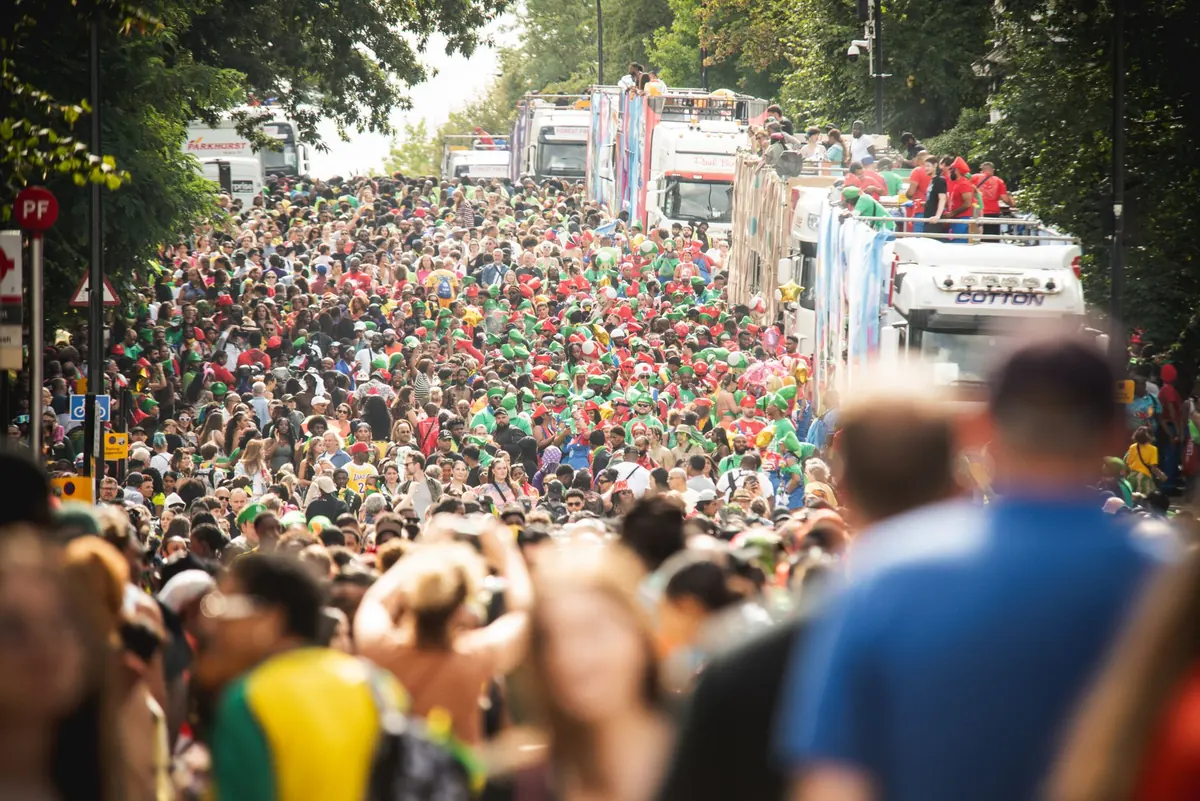
- Timing: The 8 to 9 a.m. window has the best selection and the shortest lines at the coffee cart. If you would rather browse without elbows, come between 11 and 1, when the crowd thins and some growers start marking down what they don't want to pack up.
- Dogs and strollers: Both are common on opening day. The food aisles narrow quickly, so keep leashes short and strollers in the outer lane.
What's New This Season
The biggest change is the layout. The produce row has shifted east by about one tent width, which widens the central walkway and makes it easier to stop and talk without blocking the whole square. It sounds like a small thing until you have tried to cross the market at 9:30 on a Saturday in July.
The hot food row has grown as well, with shared seating under a shade canopy near the library lawn. That seating is first come, first served, and it is the best place in the market to eat something messy without wearing it.
There is also a new guest row, a short stretch of tables reserved for small producers who come for two or three weeks at a time rather than the full season. Expect a mushroom grower, a pickle maker, and a rotating cast of bakers and jam makers through the summer. If you find something you like there, buy it that week. That is the whole point of the guest row.
The information booth near the Market Street entrance is still the place to sort out payment questions and market rules. The market accepts SNAP and EBT benefits through a token exchange at the booth, and matching programs have been offered in past years; details change from season to season, so ask at the booth rather than relying on what you heard last summer.
The Vendors Coming Back
Nearly all of last year's regulars are returning, which is the part of the market most people actually care about. The lineup looks like this:
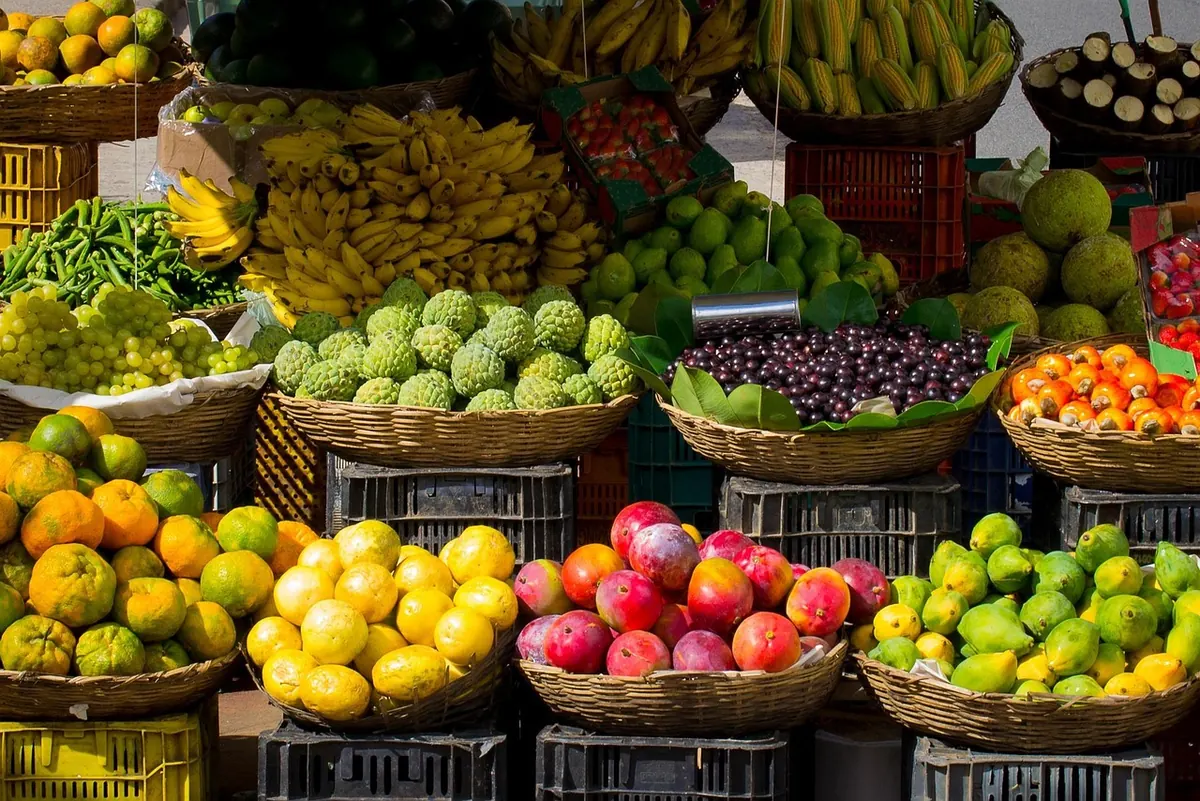
- Hollow Creek Farm — salad greens, radishes, and the first real tomatoes of the season, usually sometime in July.
- Marchetti Orchard — apples, peaches, and cider by the jug, with the early strawberries gone well before 9.
- Two Sisters Bakehouse — sourdough, morning buns, and a rotating focaccia. They sell out, sometimes before 9:30.
- Ridgeway Dairy — aged cheese, fresh butter, and yogurt in returnable glass jars.
- Passmore Pastures — eggs, chicken, and pork, with a cooler bag worth bringing along.
- Elmwood Bee Company — honey, comb, and beeswax candles. Good last-minute gift table.
- Fairweather Flowers — buckets of seasonal stems, sold by the bunch and by the single stem if you are putting together something small.
- The hot food row — tamales, arepas, and wood-fired flatbread, plus coffee from the cart at the Market Street end.
A few familiar names will miss the first weeks and return later in May or June, which is normal for growers whose crops set late. The guest row fills those gaps.
Where to Park
Parking is the one part of market morning people genuinely complain about, and it is worth five minutes of planning. Market Street itself closes to through traffic for the morning, so do not count on cutting across the square by car.
The lots
The library lot on the north side is the closest free option and the first to fill; by 8:15 on a nice Saturday it is usually full. The municipal garage a few blocks away has the most spaces and rarely fills before mid-morning, and posted rates apply, so read the signs at the entrance. Several private lots near the square are reserved for vendors until 10 a.m. and will tow, so check the signs before you pull in and walk away.
The side streets
The blocks north of the square — Franklin, Third, and Alder among them — are the regulars' fallback. A few rules of thumb:
- Read the sign on the post, not the sign on the next block. Residential permit zones change street by street.
- Never block a driveway, even for "just a minute." Someone will need to leave, and it will be the person whose driveway it is.
- Stay clear of crosswalks and corner curbs. It is a ticket, and it makes the walk worse for everyone.
- Park on the far side of the square and walk in. A five-minute walk beats ten minutes of circling.
Skip the car entirely
If you are within a mile or so, walking is the easiest answer, and a rolling cart or a sturdy tote makes the trip back comfortable. There are bike racks near the library lawn, and they fill up later in the morning than the car lots do. Riders should walk their bikes through the market rather than threading between the tents.
How the Regulars Do It
Watch the people who arrive with their own bags and a plan, and you will notice they all do roughly the same thing.
- Get there by 8:30. You will miss the worst of the traffic and the sellouts.
- Do one full lap before buying anything. Prices and quality vary more than you would expect between the two ends of the produce row.
- Buy the fragile items — eggs, berries, flowers — last, not first.
- Bring small bills and a couple of reusable bags. It keeps the line moving at the busy tables.
- Keep a cooler or an insulated bag in the trunk if you are shopping for the week, especially on warm mornings.
- Say hello to the grower. Ask what came in that morning. It is the fastest way to learn what is actually good this week.
Before You Head Out
Opening day is busy, and the first few Saturdays of any season tend to be busier than the ones that follow, so give yourself an extra fifteen minutes and leave the car at home if you can. Bring a bag, bring a little cash, and expect to run into someone you know near the bakery table. The market runs rain or shine, though a hard, steady rain will thin the crowd and send a few vendors home early. After that, it is the same pleasant routine every Saturday morning until the end of October.
Photo: tookapic / Pixabay