Leaves are coming down faster than most of us can rake, and Elmwood's curbside pickup runs on a fixed schedule with a hard registration deadline. Sign up late, bag wrong, or set the pile out a week early, and you're looking at a warning tag, a fee, or a pile that sits there until spring. Here's the whole process, in the order you'll actually deal with it.
First, confirm your address is on the route
The program covers residential properties inside town limits, but coverage isn't automatic and it isn't the same on every street. Some blocks are skipped because of narrow shoulders, steep grades, or parking patterns that leave no room for the vacuum truck to work. Apartment and condo residents usually need to coordinate through their property manager rather than registering individually.
If you rent, the registration can often go in your name, but notices and any fees usually land with the property owner. Worth a text to your landlord before you spend a Saturday with a rake.
How to register, step by step
- Find your zone and pickup week. Elmwood is split into zones, and your zone determines both your collection week and your registration deadline. Look up your address on the town's leaf pickup page or call the Department of Public Works.
- Register online or by phone. The online form takes about five minutes and asks for your address, zone, and a contact number. If you'd rather talk to a person, call during business hours and ask them to confirm your zone out loud.
- Save your confirmation. You should get a confirmation number or email. Screenshot it. If you don't hear anything within a couple of business days, follow up — a registration that didn't go through looks exactly like one that did.
- Register each property separately. Own a rental or a second home in town? Each address needs its own registration.
- Mark the deadline. Registration typically closes several days before your zone's collection week begins, and it does not reopen for that pass. Put it in your phone now.
- Check the current fee schedule if you're late. Fees and fine amounts change from year to year, so don't rely on what a neighbor told you last fall.
What actually belongs in the pile
The equipment is built for one thing: loose leaves. Everything else either jams the vacuum arm, damages it, or gets flung somewhere it shouldn't be.
Yes
- Leaves of any kind, dry or damp
- Small amounts of garden debris, only if the town lists it as accepted this year
No
- Branches, stumps, and brush — those go to the yard waste site or a separate brush pickup
- Rocks, dirt, sod, and gravel
- Plastic bags, which crews will not open
- Trash, pet waste, flower pots, pumpkins, and treated lumber
If it wouldn't survive being sucked through a hose at high speed, it doesn't go in the pile.
Bagging, raking, and setting out correctly
Some Elmwood streets take loose leaves raked to the curb; others require kraft paper bags. Confirm which applies to you when you register, because putting out the wrong format is one of the most common reasons a pile gets left behind.
If you're bagging, use two-ply paper yard bags and skip the plastic liner inside. Fill them about two-thirds full so the bottom doesn't split when it's wet, and fold the tops down rather than taping them shut. Bags that tear in the truck leave a trail down the block, and that trail is technically yours.
If you're raking loose, keep the pile at the edge of your lawn and out of the street. Leaves in the gutter clog storm drains, which is how a fall rain turns into a flooded intersection. Leave a clear path on the sidewalk, and keep piles away from storm drains, fire hydrants, and driveway aprons so your neighbors can still get out.
A few details that trip people up:
- Set out by the morning your week begins. Crews move through fast and don't backtrack for stragglers.
- Move the cars. A vehicle parked over a leaf pile means the pile doesn't get collected.
- Rake the night before, not the week before. Wind and rain redistribute piles, and an early pile can be read as an illegal dump.
Why fines happen, and how to avoid them
Almost nobody gets fined on purpose. The usual triggers are putting leaves out before your zone's week, using plastic bags, raking into the street, or mixing brush and trash into the pile. In most cases a warning tag comes first, then a fee on your solid waste bill — and the pile may simply be left where it sits. The town's current fee schedule has the numbers; the code office can explain the process if you think a tag was wrong.
The easiest way to stay clean: register on time, put everything out during your assigned week only, and don't add anything that didn't fall off a tree.
If you miss the deadline
You still have options. Most residents can bring leaves to the town's yard waste and compost site with proof of residency, though hours are limited and often seasonal. A landscaper will haul them for a fee, so ask where they're taken. For a small yard, mowing the leaves into the lawn with a mulching blade returns nutrients to the soil and takes about the same time as raking. Backyard compost piles work well for leaves alone, if you have the space and don't mind the look.
What doesn't work is dumping them in the park, the woods, or a vacant lot. That's illegal dumping, and it carries steeper penalties than a missed pickup ever would.
Five minutes now, or a month of looking at the pile
Registration is quick, but it's the one step you can't fix after the fact. Look up your zone today, register your address, and set two reminders: one for the deadline and one for the night before your collection week. Then tell the neighbor who always rakes two weeks early, because the pile at the end of the block gets noticed by the same crew that's supposed to be taking yours. Questions about zones, bag types, or scheduling go to the Department of Public Works — call before you rake, not after.
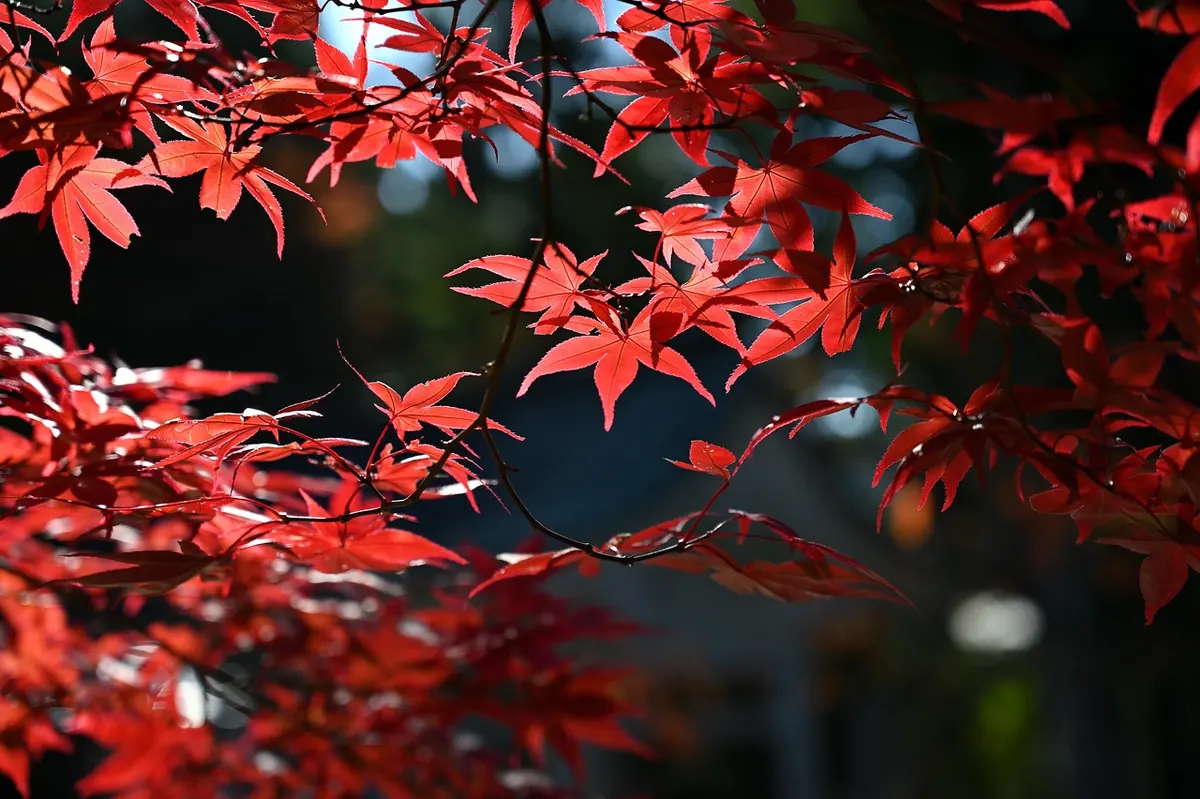
Photo: yamabon / Pixabay